
BLOG • WEDDINGS
How to Plan a DIY Wedding
5 Steps to Make Your DIY Wedding Easier
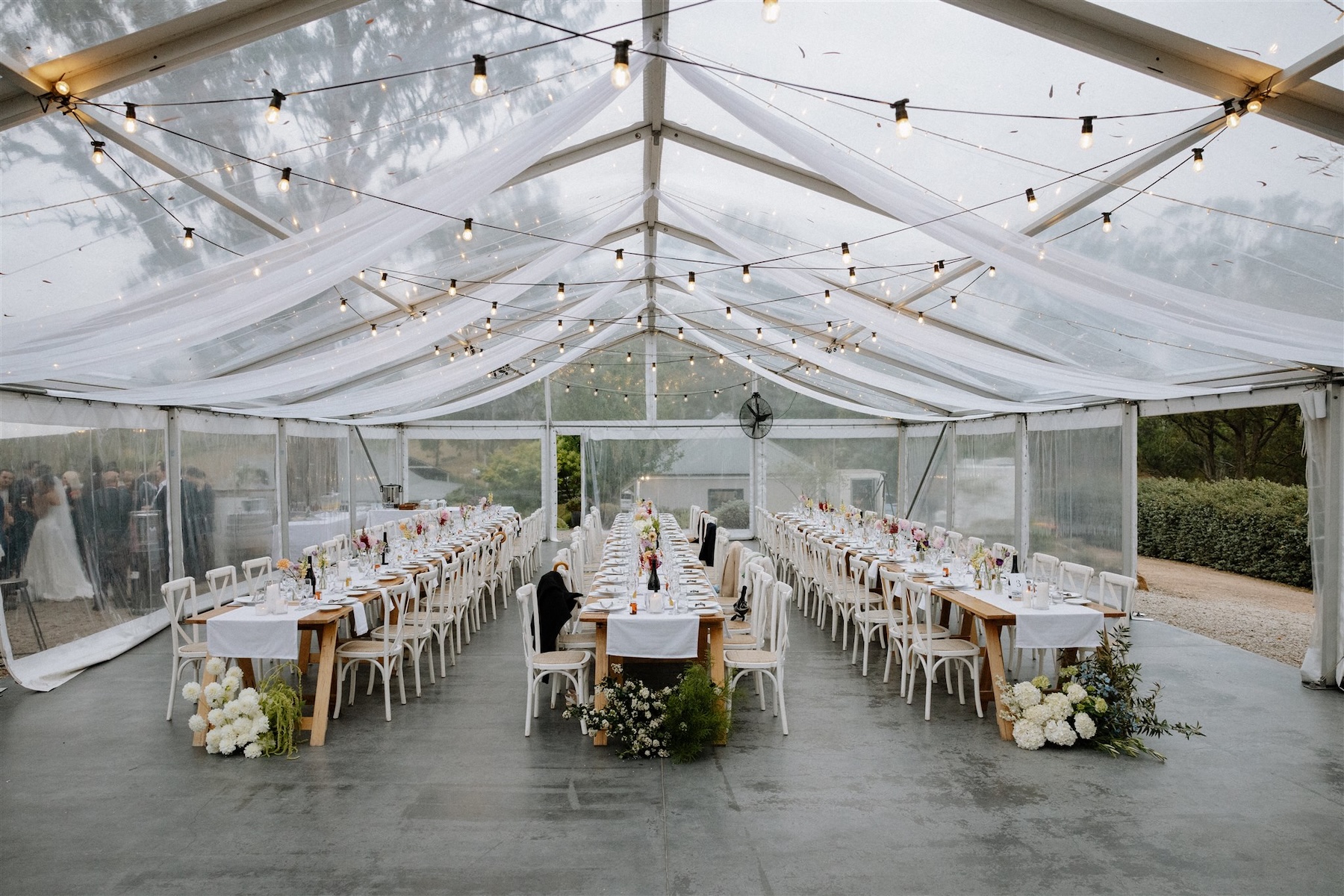
Planning your own wedding gives you a huge amount of freedom. You can choose the location, the layout, the furniture, the styling and the atmosphere without being restricted to a traditional venue package.
But a DIY wedding doesn't mean you have to do absolutely everything yourself.
The key is knowing which parts you want to handle personally, and which parts are better left to experienced suppliers. With the right planning - and the right hire equipment - you can create a wedding that feels completely your own without taking on every job yourself.
Here are five steps to help make your DIY wedding easier.
Step 1: Start With Your Guest Numbers
(Everything flows from here.)
Your guest list is the starting point for almost every practical decision you'll make.
The number of guests will determine how many tables and chairs you'll need, how much dining space is required, the size of your marquee if you're using one, and how much room you'll need for your ceremony, catering, bar and dance floor.
You don't necessarily need an exact number when you first start planning, but having a realistic estimate will make everything else much easier.
Once you know roughly how many people you're catering for, you can start working through your hire requirements.
Think about:
- Ceremony seating
- Reception tables and chairs
- Dining layout
- Bar and drinks areas
- Catering and food service areas
- Dance floor and entertainment space
- Casual seating
- Weather protection
- List item text
This is where speaking with an event hire company early can be useful. You don't need to know exactly what to order before asking questions. A good hire supplier should be able to help you work through the practical requirements based on your guest numbers and plans.
Step 2: Choose Your Venue – and Understand What It Doesn't Include
DIY weddings often take place in private properties, gardens, farms, community spaces and blank-canvas venues.
The freedom is fantastic, but there's a catch: unlike a traditional wedding venue, you may need to supply much of the infrastructure yourself.
Once you've chosen your location, walk through the space and ask yourself:
- Where will everyone sit?
- Where will the ceremony happen?
- Where will guests eat and drink?
- Where will the caterer work?
- Where will the dance floor go?
- What happens if the weather changes?
This is where marquees and event hire equipment can transform a blank space. A marquee can provide a dedicated area for dining and entertaining, while tables, chairs, flooring, lighting, linen, bar furniture and other hire items help turn an otherwise empty space into a functioning wedding venue.
Don't forget the less obvious requirements either. Depending on your location, you may need to consider power, access for suppliers, ground conditions, toilets, lighting around pathways and parking and signage.
Step 3: Build Your Hire Requirements Into the Budget
DIY doesn't necessarily mean inexpensive. When you're starting with a blank canvas, all of the things a traditional venue might normally provide still need to be accounted for - and that can include a significant amount of equipment.
Create a budget that separates your major wedding costs, including:
- Venue
- Catering
- Photography and videography
- Celebrant
- Entertainment
- Flowers
- Marquee and event equipment hire
- Styling and décor
- Lighting
- Furniture
- Tableware and glassware
- Transport and delivery
- Other facilities and services
Then work out where you want to spend and where you can simplify.
Hire equipment gives you plenty of flexibility. You might choose simple furniture and spend more on styling or keep the styling minimal and let the setting do the work.
You can also decide how much of the setup you want to handle yourself. For some couples, dry hire is exactly what they want - they collect or receive the equipment and take care of the setup themselves. For others, paying for delivery and installation is worth it simply to remove one major job from the wedding week. The important thing is to make that decision early and include it in your budget.
Step 4: Plan the Layout - Not Just the Look
It's easy to get caught up in Pinterest boards and styling inspiration, but a beautiful wedding also needs to work practically.
Think about how people will move through the space. For example, you might have:
Ceremony → drinks and canapés → reception → dancing
That sounds simple, but each stage needs its own space and equipment.
A reception layout might need room for:
- Dining tables and chairs
- A bridal table or sweetheart table
- Catering access
- A bar
- Cake table
- Gift table
- Dance floor
- DJ or band
- Guest circulation
The way you arrange your tables can also have a big impact on how much space you need. Long banquet-style tables create a very different feel from round tables, while a combination of dining and lounge furniture can create a more relaxed reception.
If you're unsure what will fit, this is another point where your hire supplier can help. At Blueys, we work with couples to look at the number of guests, the available space and the style of celebration they're planning, then work through the equipment needed to make it practical.

Step 5: Don't Make Yourself the Wedding-Day Coordinator
This is one of the most important things to organise. If you're planning your own wedding, it's tempting to think you'll simply keep an eye on everything on the day.
You won't.
You'll be getting married.
A detailed run sheet is essential for a DIY wedding, but so is having someone else responsible for making sure the plan actually happens.
Your run sheet should include:
- Supplier arrival times
- Marquee and equipment setup
- Styling and decoration
- Catering arrival and setup
- Ceremony timing
- Guest arrival
- Cocktail hour
- Reception timings
- Speeches and formalities
- Entertainment
- Pack-down
- Hire equipment collection
Make sure your suppliers know who the point of contact is on the day. If you don't have a coordinator, nominate someone you trust who is organised, calm and comfortable making decisions. Alternatively, consider professional event coordination if you want to enjoy the day without being responsible for managing suppliers, timings and logistics.
A good site visit usually uncovers a few things you hadn't thought of - and it's much better to find those things now than on the morning of your wedding.
DIY Doesn't Have to Mean Doing Everything Yourself
A DIY wedding is about having control over your celebration – not about personally carrying every chair, installing every light and managing every supplier. That's where professional event hire can make a huge difference. At Blueys Event Hire, DIY weddings are one of the things we do every day.
We provide the equipment that turns blank spaces into functioning wedding venues, including:
- Marquees
- Tables and chairs
- Flooring
- Linen
- Lighting
- Glassware and tableware
- Bar furniture
- Lounge and outdoor furniture
- Styling and décor
- Heating and other event equipment
You can hire what you need and handle the rest yourself, or add delivery, installation and styling to reduce the workload.
And if you want someone to help manage the moving parts of the day itself, our event coordination service can provide another level of support.
We can work with you at whatever level suits your wedding - from straightforward equipment hire through to a more involved setup and coordination service.
Planning a DIY Wedding?
Start with your guest numbers, understand what your venue provides, work out what equipment you'll need and plan your layout before you start ordering.
Most importantly, don't assume that doing it yourself means doing everything yourself.
The right combination of DIY planning and professional hire can give you the freedom to create a wedding that feels personal and unique, while taking some of the heavy lifting out of the process.
Planning a DIY wedding in the Blue Mountains or surrounding areas? Talk to Blueys Event Hire about your venue, guest numbers and plans. We can help you work out what you need and how we can help bring it all together.
Planning an outdoor wedding in the Blue Mountains or surrounding areas?
Talk to Blueys Event Hire about your marquee, furniture, equipment and wet weather options.

As a proud Pro Purpose business, every Blueys hire also contributes to clean water projects in Uganda.